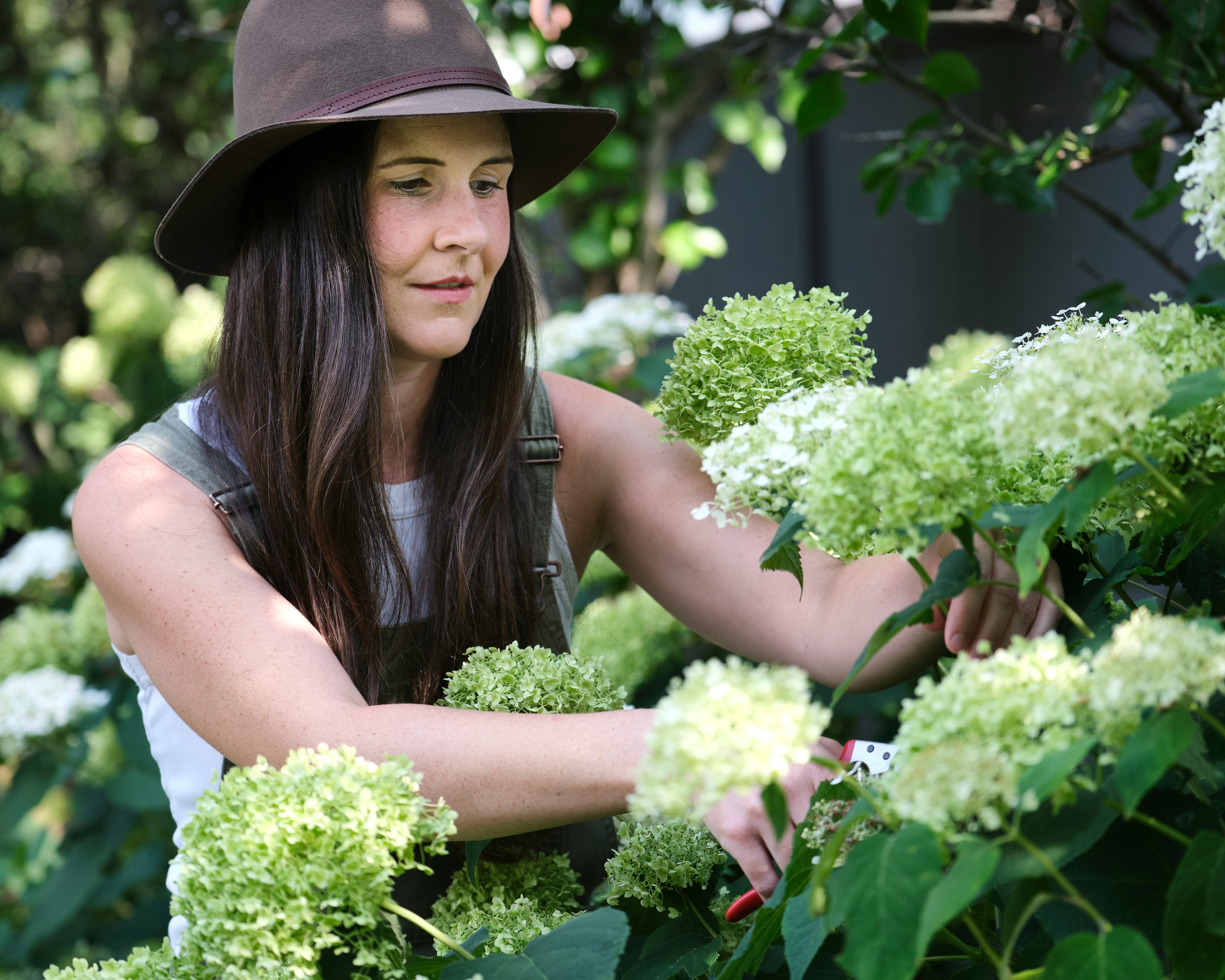
When the colder weather hits and the leaves drop, it can be tempting to grab the ladder and a saw to "give the trees a bit of a haircut." However, tree care can be complex. While some tasks are perfectly fine for a Saturday/Sunday afternoon DIY session, others involve risks to your safety, your property, and the biological health of your trees.
Here is our guide to knowing when to keep the DIY spirit alive and when it’s time to call in a Treetech arborist.
The "Safe to DIY" Checklist
If you have a pair of sharp loppers, some good gloves, and a bit of energy, you can comfortably tackle these tasks:
- Light Pruning of Small Shrubs: Trimming back small, thin branches (anything smaller than a $2 coin in diameter) on shrubs or very young trees is usually safe and beneficial.
- The Three D’s: You can safely remove branches that are clearly Dead, Damaged or Diseased, provided they are within easy reach from the ground.
- Mulching and Weeding: Winter is the best time to apply a thick layer of organic mulch around the base of your trees to protect the roots. This is a high-reward, low-risk DIY job.
- Clearing Ground Debris: After a typical NZ winter storm, cleaning up fallen twigs and leaves helps prevent fungal issues and keeps the lawn healthy.
The "Stop and Call a Specialist" Red Flags
If your tree care task involves any of the following, it’s no longer a DIY job. This is where the risk of injury or tree damage increases.
- Anything Reached via a Ladder or Climbing: Working with tools while balanced on a ladder is one of the most common causes of serious garden injuries in NZ. Professional arborists use specialised rigging and climbing gear to ensure they, and your property, stay safe.
- Proximity to "Targets" (Houses, Fences, Powerlines): If a branch could potentially fall on your roof, your neighbor's fence, or an overhead powerline, do not touch it. Arborists use "controlled rigging" to lower heavy limbs slowly and precisely, avoiding thousands of dollars in property damage.
- Large Limb Removal: Removing a heavy limb requires an understanding of "physics and hinge wood." Cut it the wrong way, and the branch can "kick back" toward the operator or "strip" the bark down the main trunk, causing a wound the tree may never recover from.
- Large-Scale Structural Pruning: Trees are living organisms with complex circulatory systems. If you remove too much of the canopy, or the wrong branches, you can put the tree into "shock," leading to rapid decline or the growth of weak "epicormic" shoots that are prone to snapping in the next gale.
Why the "Arborist Price Tag" is an Investment
It might seem cheaper to do it yourself, but a professional arborist brings three things to your property that a DIYer can't:
- Insurance: If a professional accidentally drops a limb on your shed, they are insured. If you do it, your homeowner's insurance may not cover "preventable DIY accidents."
- Biological Expertise: An arborist knows exactly where to make a "collar cut" so the tree can heal itself. DIY cuts often lead to rot and fungal infections.
- The Right Gear: From high-grade chainsaws to wood chippers and safety harnesses, the equipment alone ensures a cleaner, faster, and safer result for your landscape.
The Bottom Line
If the job is on the ground and uses hand tools, go for it! But if you find yourself looking up, feeling nervous about a nearby structure, or wondering if you’re cutting too much, play it safe.
Your trees are some of the most valuable assets on your property, treat them with the expert care they deserve this winter.
Need an expert eye on your Christchurch trees this season? Give the Treetech team a call today!